Are Coffee Wood Chews Safe for Puppies?
Coffee wood chews have become a popular natural alternative to traditional dog chews — but are they suitable for puppies, especially those tiny, teething bundles under six months? As with most things in the dog world, the answer isn’t a simple yes or no. It’s about understanding the material, the risks, and what’s developmentally appropriate for young pups.
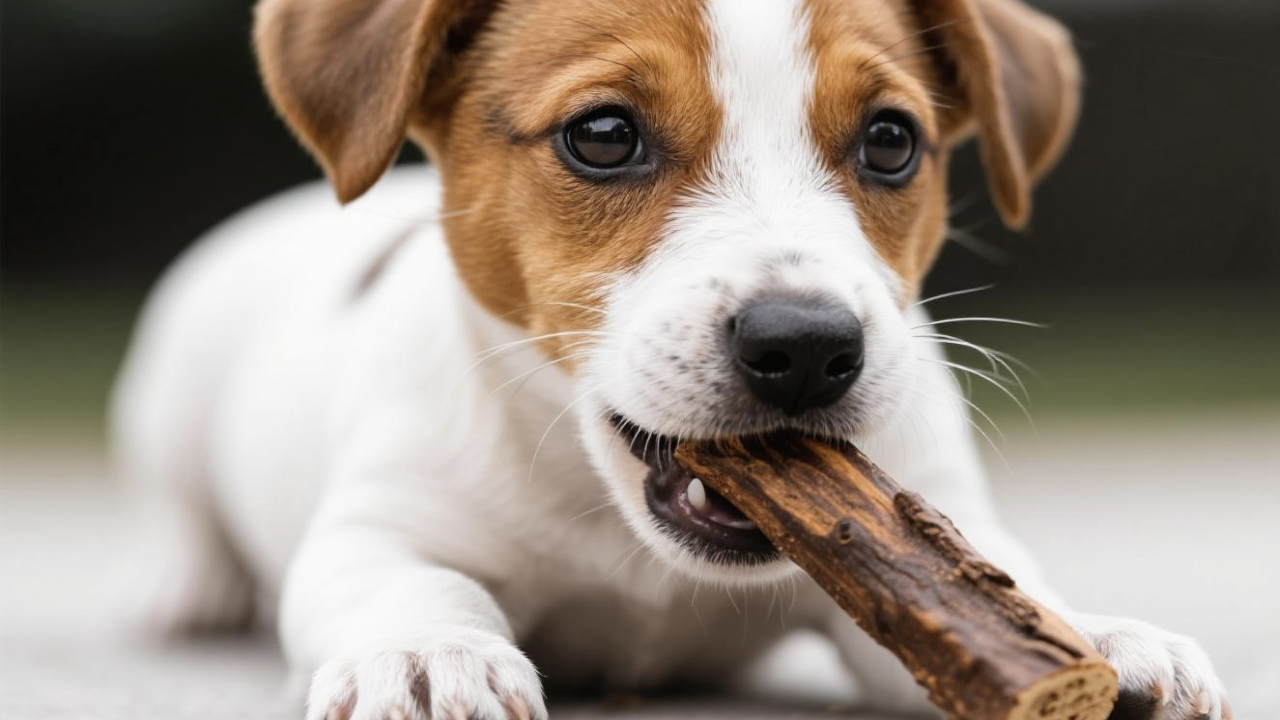
Coffee wood chews are made from the branches of the coffee plant, not the bean. They contain no caffeine, no additives, and no artificial flavourings. The wood is naturally dense, which means dogs don’t bite off chunks; instead, the surface gently frays into soft fibres. For adult dogs, this can be a satisfying, long‑lasting chew that supports natural chewing instincts without the risks associated with rawhide or overly hard chews.
But puppies are a different story.
Puppies under six months have developing teeth, softer gums, and a much higher risk of oral injury. Their baby teeth are sharp but fragile, and their chewing style is frantic and exploratory. While coffee wood is marketed as “splinter‑free,” it can still shed fibres that may be too firm for very young pups. There’s also the risk of over‑enthusiastic chewing leading to gum irritation or, in smaller breeds, fatigue from working such a dense material.
Most UK retailers and pet experts recommend coffee wood chews from around 6 months of age, once adult teeth begin to emerge. Some brands offer “puppy” versions, but even these tend to be aimed at older puppies rather than tiny newcomers.
For very young puppies, the priority is softness, safety, and developmental appropriateness. They need chews that soothe teething discomfort without risking dental trauma. Natural rubber teethers, soft braided fleece toys, and gentle puppy-specific chews are far more suitable in those early months.